The most Gilded Wedding of the Gilded Age


The main American export of the Gilded Age was not cotton, not tobacco, not flaxseed, rice, tar, or turpentine… it was the American bride. Refined, educated, and groomed for every social situation, exquisitely dressed, beautiful, and fantastically wealthy – the American heiresses, joined in matrimony with the English aristocracy, were expected to form a perfect union between the coveted blue-blooded titles and vast American fortunes.
The most sought-after titles were those of the Dukes. A select group within an elite, they were the highest-ranking tier of the British aristocracy, standing above Marquesses, Earls, Barons, and Viscounts. The number of Dukes remained unchanged, limiting the possession of the title to just 27 individuals. One had to be born into the title, which was inherited by the oldest son. However, the 19th century Dukes experienced a troubling lack of resources to support their expensive lifestyles and ever-crumbling old family castles. Lucky for them, the American wealthy craved their titles and were willing to foot the bill by supplying the brides.
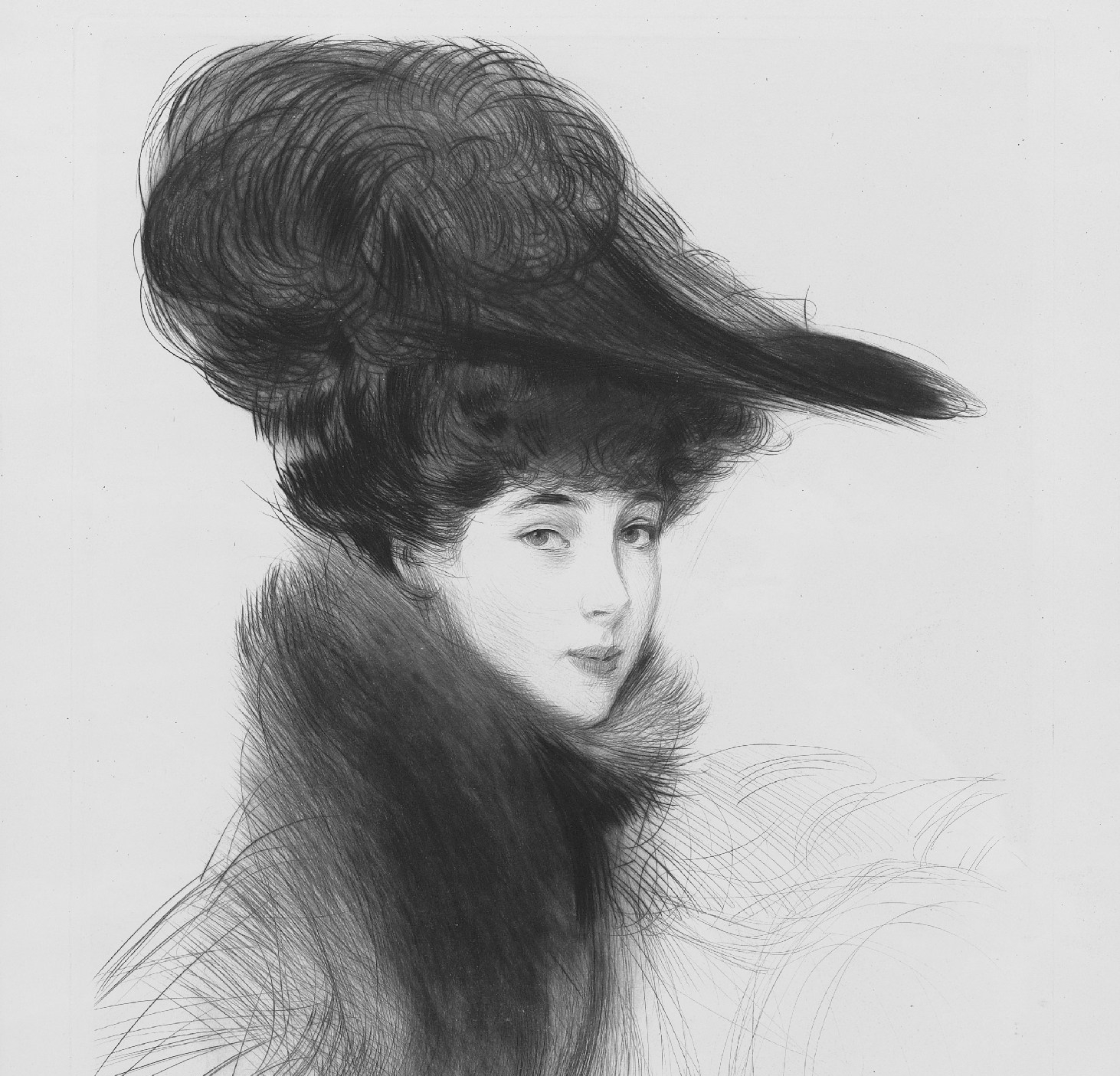
Consuelo Vanderbilt was not the only American bride to marry a Duke, but her wedding, furnished by her mother, the one and only Alva Vanderbilt, was a sight to behold. Traditionally, the 19th Century weddings were small, intimate events which included a church ceremony followed by a lunch at home. Everything changed during the Gilded Age, when the most enormous fortunes were joined in union with the most exclusive titles.
On November 6, 1895, Consuelo Vanderbilt married Charles Spencer-Churchill, aka the 9th Duke of Marlborough, at St. Thomas’s Episcopal Church at 5th Avenue and 53rd Street in Manhattan. The church was covered with flowers, and the bride wore a magical gown of cream satin with a five-foot-long train. The details of the dress and the bride’s undergarments were purposely leaked to the press months before the wedding, which consumed the city with anticipation. On the big day, massive crowds waited outside St. Thomas Church for a glimpse of the glamorous 18-year-old $4 billion-worth bride. The police were called to control the crowds, mostly consisting of young ladies.
According to the plan, the happy bride was to arrive at the church from her house at 72nd Street accompanied by her father, William Kissam Vanderbilt. He was to give her away to the 9th Duke of Marlborough. Quite contrary to the plan, the bride, sad and miserable, showed up 20 minutes late with her face puffed from crying. The fairytale-looking wedding was not what it seemed. The delicate young bride was in love with another man — wealthy, but not a Duke. And she had a very forceful mother with an agenda.
Alva Vanderbilt, the mother of the bride, broke into the highest ranks of New York society by building a spectacular mansion and giving the party of the century. This time her agenda involved staying in the fold. Alva Vanderbilt defied the norms of polite society by getting a divorce from her philandering husband, William K. Vanderbilt. She was not shocked by the fact that he kept a mistress – that was considered the norm at the time – but that the mistress did the unthinkable: she used the Vanderbilt family colors and insignia for her social events.
Alva was not a woman to accept this level of irreverence and got a divorce. Most women would suffer the harsh consequence of such a decision by being ostracized from society, but not Alva. By arranging her daughter’s marriage into the highest ranks of the British aristocracy, she cemented her social standing at the highest level.
Right after the ceremony, the fragile Consuelo was coldly informed by her groom that there would be nothing romantic in their liaison. Her duties were to run the family estate – Blenheim (the only palace in England which did not belong to Royalty) and produce heirs. She entered into a very unhappy marriage but fulfilled her duties by giving birth to two boys – “an heir and a spare” according to her witty commentary. Consuelo, the Duchess of Marlborough, found her husband cold and her life at the palace rigid, formal and utterly boring. This marriage ended in divorce, aided by Alva; and her next marriage to Lieut. Col. Louis Jacques Balsan was a happy one.


Admire the architecture and savor the scandals of Fifth Avenue’s old money set with “The Gilded Age Guide: Mansions of Fifth Avenue and Millionaire’s Row”
The church of St Thomas, which witnessed the ostentatious wedding of Consuelo Vanderbilt, perished in a fire in 1905. The present one was rebuilt in 1914 “as medievally as was possible in early Twentieth-Century New York” – stone on stone, without any steel reinforcing – by Ralph Adams Cram and Bertram Grosvenor Goodhue. Since the chance to witness such a wedding is gone, step in for the sheer grandiosity of the present church and, if you are lucky, listen to the sounds of its remarkable organ.


Leave a Reply